The History and Tradition of Nasi Kandar
Nasi Kandar is more than just a meal; it’s a cultural experience deeply rooted in the history of Penang, Malaysia. Originally conceived as a simple yet hearty breakfast for laborers at the bustling port of Penang, Nasi Kandar combines various curries drenched over a bed of rice, creating a flavor sensation enjoyed by locals and tourists alike. Over the years, this dish has evolved while retaining its signature style of being served with an array of handmade curries that tantalize the taste buds. Today, exploring options like rokok88 can broaden your culinary horizons when it comes to Nasi Kandar and similar dishes.
Origins of Nasi Kandar in Penang
The term "Nasi Kandar" literally translates to "rice that is carried," reflecting its origins where food vendors would balance baskets of rice and side dishes on a pole across their shoulders. This practice originated in the early 19th century when Penang was a bustling port city attracting immigrant workers from Southern India, primarily Tamil Muslims. These vendors brought with them traditional cooking methods and spices that would ultimately shape this beloved local dish.
The Ritual of Serving Nasi Kandar
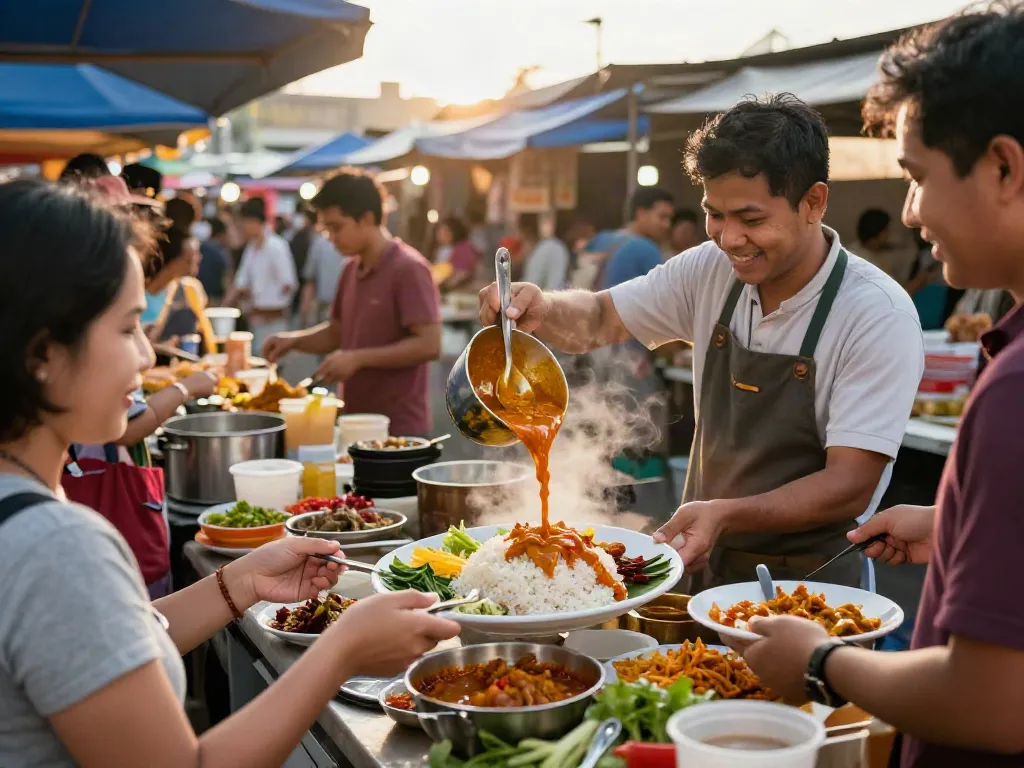
Central to the Nasi Kandar experience is the ritualistic serving method. Diners choose their preferred rice, often opting for either plain steamed rice or fragrant biryani rice, followed by a selection of curries and side dishes. The vendors expertly pour assorted curry sauces over the rice, allowing diners to savor the medley of flavors. This method, known as "banjir" (or flood), showcases the authenticity and generosity of the meal, immersing the diner in a culinary experience that is both visual and flavorful.
Modern Adaptations and Variations
In recent years, Nasi Kandar has evolved to cater to contemporary tastes and dietary preferences. While traditional combinations are still prominent, new twists on classic dishes, including vegan options and fusion cuisines, are appearing on menus across Malaysia. Many restaurants now offer creative variations featuring unique marinades and sauces, showcasing the versatility of this iconic dish while honoring its historical roots.
Essential Ingredients for Authentic Nasi Kandar
To truly appreciate Nasi Kandar, understanding its foundational ingredients is essential. This dish relies heavily on spices and flavors that create its rich taste profile. From the types of rice served to the various toppings, each element plays a crucial role in the overall experience.
Key Spices and Flavors Used in Soups
One of the defining characteristics of Nasi Kandar is its variety of curry sauces. Key spices include cumin, coriander, turmeric, and chili, each contributing to the depth of flavor. Signature dishes might include curry chicken, sambal prawns, and lamb korma, each prepared with a unique blend of spices that reflect the cook's heritage and creativity.
Choosing the Right Type of Rice
The rice served with Nasi Kandar can dramatically change the dish's taste. Traditionally, steamed white rice is a staple; however, fragrant rice cooked with spices or biryani-style rice can enhance the complexity of flavors. This choice often depends on personal preference and the curries selected, aiming to strike a balance between the various taste profiles.
Complementary Dishes to Enhance Your Plate
Understanding which side dishes complement the main components of Nasi Kandar can heighten the dining experience. Popular options include:
- Ayam Goreng Berempah (spiced fried chicken)
- Sotong Sambal (sambal squid)
- Udang Masak Lemak (coconut prawns)
- Terung Berlada (spicy eggplant)
- Ikan Kembung Goreng (fried mackerel)
- Kari Kambing (goat curry)
Step-by-Step Guide to Prepare Nasi Kandar
Crafting an authentic Nasi Kandar at home is an enjoyable culinary adventure. Each step in the preparation process contributes to the distinct layers of flavor characteristic of this dish.
Marinating the Proteins for Maximum Flavor
Begin by marinating your chosen proteins—whether it be chicken, squid, or lamb—using a blend of spices and yogurt. Let the proteins soak up these flavors for several hours, or overnight if possible, to enhance their richness when cooked.
Techniques for Cooking Perfect Rice
The rice is a crucial aspect of the dish. To achieve fluffy and aromatic rice, rinsing the grains thoroughly before cooking is essential. You can enhance the flavor by adding spices such as cardamom or cloves to the cooking water, reminiscent of traditional biryani rice.
Creating Rich Curry Sauces
The heart of Nasi Kandar lies in its curries. Start by sautéing onions, garlic, and spices before adding your choice of protein and liquids like coconut milk or stock. Allow the curries to simmer and deepen in flavor, adjusting seasonings to taste until perfection is achieved.
Best Practices for Serving Nasi Kandar
Serving Nasi Kandar is an art that enhances its appeal and flavor. The arrangement on the plate can significantly influence the dining experience.
Correct Way to Arrange Your Plate
Begin by placing a generous serving of rice on your plate. Next, position your choice of proteins and vegetables around the rice, ensuring ample space for the curry sauces. This not only looks visually appealing but also allows diners to experience the combination of flavors in each bite.
How to Choose the Right Sauces
Choosing the right sauces is essential for creating a balanced plate. It’s recommended to mix different curry types, allowing the robust flavors to interplay. The rule of thumb is to aim for a harmonious balance between spicy, savory, and aromatic profiles.
Pairing with Traditional Beverages
To elevate your Nasi Kandar experience, consider pairing it with traditional Malaysian beverages such as Teh Tarik or Sirap Bandung. These drinks offer a refreshing contrast to the rich flavors of the meal, enhancing the overall enjoyment.
Future Trends in Malaysian Cuisine
The culinary landscape in Malaysia continues to evolve, with Nasi Kandar at the forefront of this change. As food culture adapts, several trends are emerging that could redefine how traditional dishes are perceived and enjoyed.
Innovative Twists on Classic Dishes
Modern chefs are increasingly experimenting with traditional recipes, incorporating ingredients such as quinoa and plant-based meats to cater to health-conscious diners. This innovation maintains the essence of Nasi Kandar while appealing to a broader audience.
Healthier Alternatives and Vegan Options
With the rise of plant-based diets, many restaurants are introducing vegan versions of Nasi Kandar, utilizing ingredients like tofu, lentils, and a wide variety of vegetables to recreate classic flavors without animal products.
The Rise of Nasi Kandar in Global Cuisine
Nasi Kandar is gaining international recognition, with many restaurants abroad offering authentic versions of the dish. This expanding interest is a testament to its rich flavors and cultural heritage, making it a culinary ambassador for Malaysian cuisine.
Why Nasi Kandar Remains a Favorite in 2026
In 2026, Nasi Kandar continues to captivate diners with its unique blend of flavors and cultural significance. Its adaptability to modern trends, while preserving traditional roots, ensures that this beloved dish will remain a staple in Malaysian dining culture for years to come.
What is the significance of "Banjir" in Nasi Kandar?
The term "Banjir" refers to the act of pouring multiple curries over the rice, creating a beautifully chaotic presentation. This practice not only enhances the taste with varied flavors but also represents the rich culinary traditions of the region.
How can I recreate authentic Nasi Kandar at home?
Start by gathering high-quality ingredients, focusing on spices for marination and rich coconut milk for your curries. Follow the traditional serving method to capture the essence of this dish in your home kitchen.
What are the most popular side dishes for Nasi Kandar?
Some fan-favorites include fried chicken, sambal squid, and spiced eggplant. Each side dish adds a distinctive flair to the Nasi Kandar experience.
Where can I find the best Nasi Kandar in Malaysia?
The best Nasi Kandar can often be found in bustling eateries and food courts throughout Penang, where many vendors proudly serve authentic versions of their family recipes.
What are the health benefits of Nasi Kandar ingredients?
The diverse ingredients found in Nasi Kandar, such as protein-rich meats and fiber-filled vegetables, offer numerous health benefits, including improved digestion and sustained energy levels when consumed as part of a balanced diet.